ByJohn A
How FinOps Helps Control Cloud Costs
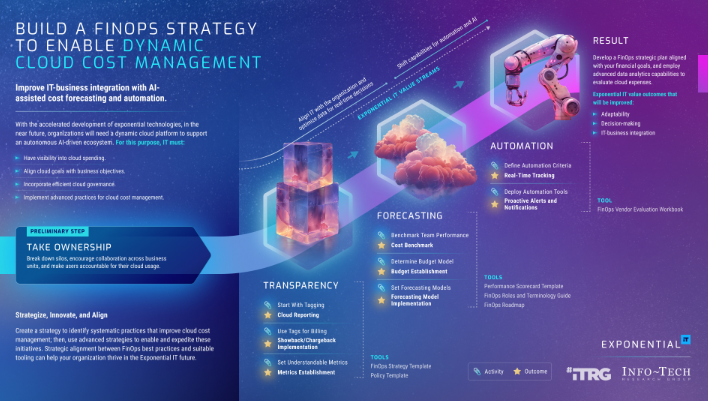
FinOps creates cross‑team visibility to monitor cloud spend and tie it to engineering decisions. It translates usage into measurable targets, enabling data‑driven budgeting and benchmarks. Automation enforces policies for provisioning, rightsizing, and scheduling, reducing waste while preserving agility. Collaboration links cloud value to business outcomes and accountability. This approach balances growth with responsible stewardship, presenting a sustainable path to optimize expenditure. The next step reveals where costs can be controlled without sacrificing momentum.
How Finops Drives Visibility Into Cloud Spend
FinOps provides a structured approach to illuminating cloud spend by capturing and organizing data from across cloud environments.
The framework enables cross-team visibility, aligning finance and engineering around measurable metrics.
By establishing cost governance and spend transparency, stakeholders gain actionable insights, track variances, and surface optimization opportunities.
This disciplined transparency supports informed decision-making while preserving autonomy and freedom to innovate responsibly.
See also: newsfurry
Building a Data-Driven Budget With Finops Benchmarks
A data-driven budget backed by FinOps benchmarks translates historical cloud usage and cost patterns into measurable targets, enabling teams to forecast spend with clarity and accountability.
Optimizing Resource Use: Automation and Policy Enforcement
Automation and policy enforcement operationalize the data-driven budget by turning spend targets into actionable controls. In this space, automation governance coordinates resource provisioning, rightsizing, and scheduling, reducing waste while preserving agility.
Policy orchestration implements guardrails that adapt to usage patterns, ensuring compliance without slowing teams. The approach remains collaborative, data-driven, and pragmatic—empowering teams to optimize resources while honoring freedom to innovate.
Aligning Cloud Value With Business Outcomes and Carbon Footprint
Data-driven analyses demonstrate how cloud governance and cost accountability translate into actionable insights, guiding investment priorities and risk mitigation.
Cross-functional collaboration aligns tech choices with sustainability targets, enabling transparent reporting, measurable efficiencies, and freedom to invest in high-value initiatives that support both growth and responsible carbon stewardship.
Frequently Asked Questions
How Quickly Can Finops Reduce Monthly Cloud Bills?
Answering quickly, FinOps can deliver noticeable reductions within weeks, though speed varies by organization. The approach emphasizes speedy savings, closes governance gaps, and relies on data-driven, collaborative governance to enable pragmatic, freedom-minded cost control.
What Teams Should Own Finops Initiatives?
A notable 28% reduction in waste signals that ownership alignment matters; finance, engineering, and product should own FinOps initiatives. Funding governance ensures clear budgets, shared metrics, and cross-functional accountability, fostering data-driven, collaborative, pragmatic decisions for teams seeking freedom.
How Does Finops Handle Multi-Cloud Governance?
Multi cloud governance leverages standardized policies and centralized visibility, enabling teams to enforce budgets and security across clouds. Cloud analytics synthesize usage patterns, driving collaborative cost optimization decisions; pragmatic insights empower stakeholders seeking freedom while maintaining disciplined spending.
Can Finops Quantify Intangible Business Value?
FinOps can quantify intangible value by translating it into measurable business impact, linking investments to outcomes, cost avoidance, and risk reduction. It presents collaborative, data-driven analyses that illuminate intangible value, guiding pragmatic decisions for stakeholders seeking freedom.
What Are Common Finops Metrics for Cost Avoidance?
One striking stat shows 30% average cost avoidance potential; common finops metrics include cost allocation accuracy and_reserved instances utilization to optimize savings. The approach is collaborative, data-driven, pragmatic, empowering teams to optimize spend while preserving freedom.
Conclusion
FinOps translates cloud usage into transparent, comparable metrics, empowering teams to anchor decisions in data. By aligning budgets with real consumption and enforcing automated guardrails, organizations reduce waste while preserving agility. Cross-functional collaboration turns cost insights into actionable roadmaps, linking engineering choices to business value and sustainability goals. The result is a governance model that behaves like a thermostat—steady, responsive, and precise—keeping growth in balance with prudent spending and measurable carbon impact.